The Private Club Brief: Designing the Room Before the Relationship Begins
The most valuable private-club reservation is not simply a seat at an exclusive address. It is a carefully designed setting for trust, context and meaningful executive exchange.
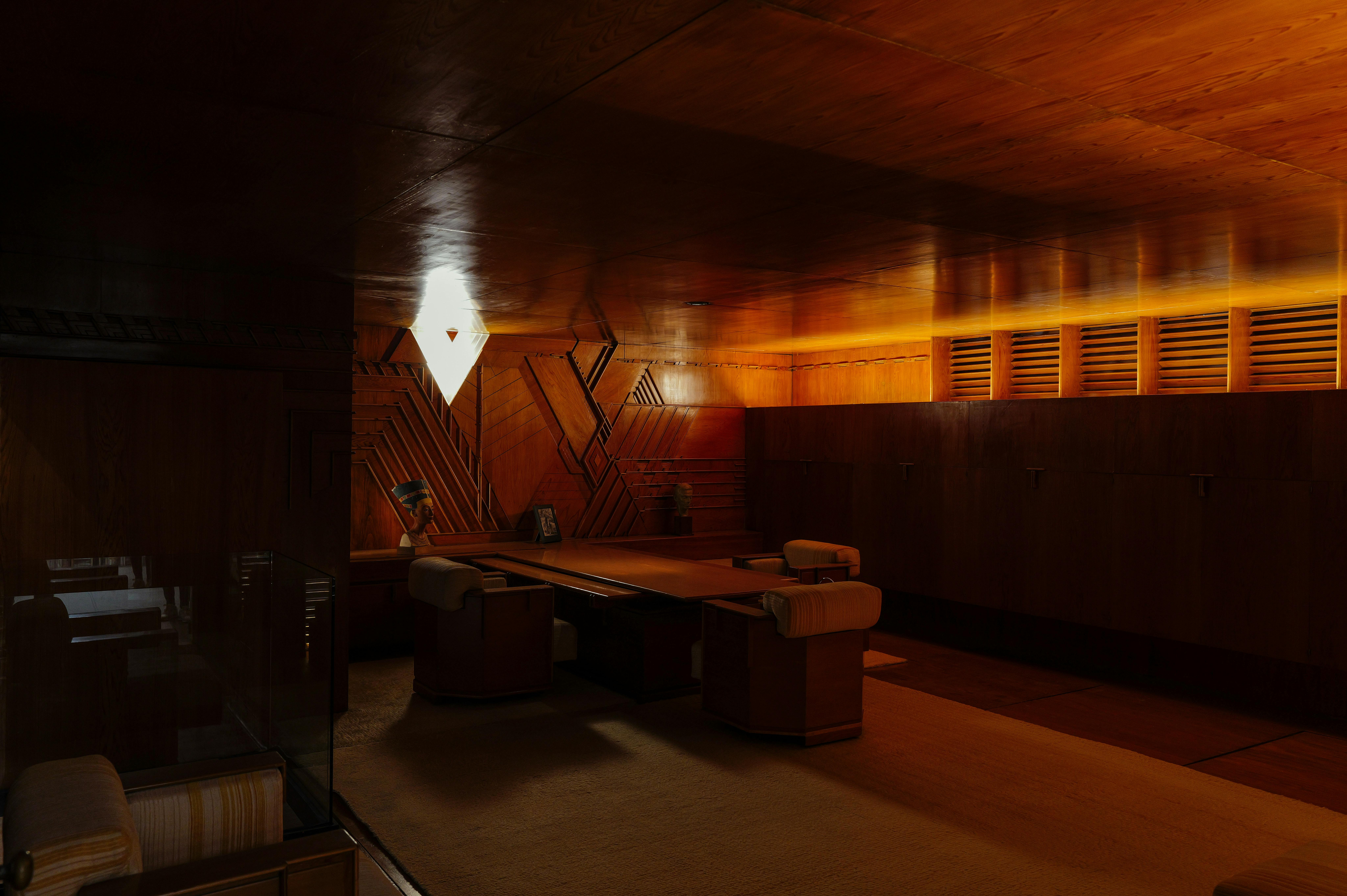
Before the Relationship Begins
A private club reservation is often described as an access problem: finding the right address, securing the right table, or entering a room that is not available to everyone. For senior executives, founders and globally mobile families, that description is incomplete. The more consequential question is not only where access can be arranged, but what the setting is required to make possible.
A well-chosen club can create the conditions for a discreet introduction, an unhurried conversation or a relationship that continues beyond the immediate meeting. It can also create the opposite: a room that is too public, too formal, too noisy or simply misaligned with the people involved. The difference lies in the brief prepared before the reservation.
At VERTU England, the role of an Elite Club Access Manager is therefore best understood as a form of executive context design. The objective is not to treat exclusivity as a trophy. It is to coordinate place, timing, protocol and continuity so that privileged social and business networking feels natural rather than manufactured.
Access Is Not the Same as Fit
Private clubs vary significantly in purpose. Some are built around reciprocal access between established clubs; others focus on hospitality, culture, dining, sport or private events. International Associate Clubs, for example, describes a network of more than 200 private clubs across more than 40 countries, with reciprocal access and facilities that include golf, sport, accommodation and business venues.
This model shows that the value of a club network is not confined to a single building. It is also the ability to carry a familiar standard of welcome into a new city.
Yet a broad network does not remove the need for judgement. A club that is appropriate for a discreet board-level conversation may be unsuitable for a first introduction between two principals. A venue designed for formal entertaining may not be the right place for a cultural meeting or an informal exchange after a long journey. A reservation service that focuses only on availability may solve the calendar problem while missing the strategic one.
The private-club brief begins with fit. It asks what the meeting must protect, what it must encourage and what should remain deliberately unsaid.
| Briefing consideration | Why it matters |
|---|---|
| Purpose of the encounter | A relationship-building dinner, investor conversation and cultural introduction require different levels of structure. |
| Desired degree of privacy | Privacy may mean a private room, a low-traffic table, discreet arrival or simply a setting that permits an unhurried exchange. |
| Guest profile | Seniority, nationality, familiarity with the city and personal preferences shape the appropriate venue and protocol. |
| Timing and sequence | The arrival window, meal duration and onward commitments influence whether the setting feels calm or compressed. |
| Continuity | A meaningful first meeting should be considered alongside the next invitation, city or point of contact. |
The Room Should Support the Relationship
The strongest reservation is rarely the most visibly impressive one. It is the one that reduces friction around the relationship. That may involve selecting a club with the right balance of discretion and warmth, arranging access through the appropriate channel, confirming dietary and service preferences, or ensuring that the guest experience remains coherent from arrival to departure.
This is where private-club reservation begins to resemble governance rather than lifestyle consumption. The service is concerned with boundaries, accountability and consistency. Who is expected? Who should be introduced? Which preferences need to be known in advance? What information should be shared, and what should remain confidential? These are small operational questions, but they influence the credibility of a larger relationship.
Luxury concierge providers publicly describe a similar shift from isolated transactions toward coordinated support. Quintessentially, for instance, presents luxury lifestyle management as a way of returning time to its members, with services spanning travel, exclusive access, private events, dining and other areas of personal assistance. PrivateUpgrades similarly frames its hotel service around transparent benefits, personal travel designers and behind-the-scenes coordination rather than a reservation alone.
For an executive, the implication is clear: the visible booking is only one part of the service. The invisible preparation is often where the value is created.
From Reservation to Readiness
A considered club-access process can be organised around four stages. First comes interpretation: understanding the purpose of the encounter, the people involved and the level of discretion required. Second is curation: narrowing the options to places whose atmosphere, membership culture and practical conditions support that purpose.
Third is orchestration: managing the reservation, arrival details, introductions, timing and relevant preferences. Finally comes continuity: recording what should inform the next interaction without turning a relationship into a database exercise.
This sequence matters because the language of access can sometimes overstate the importance of entry. Entry is a beginning, not an outcome. The outcome is a setting in which people can think clearly, exchange context and decide whether a relationship deserves a second conversation.
"Wherever you travel, your club membership travels with you - opening doors to the same warmth, standards, and sense of belonging you know at home." - International Associate Clubs
The principle is useful beyond club membership itself. Global mobility becomes more valuable when it carries continuity with it: a consistent understanding of preferences, standards and expectations across cities. For enterprise leaders, that continuity can support a more disciplined approach to relationship development.
The VERTU Standard: Quiet Coordination
The VERTU approach is deliberately restrained. It does not promise that every request will be possible, nor does it present access as a substitute for judgement. Instead, Global Top Private Club Reservation is positioned as an enterprise growth and governance advisory for clients who require privileged social and business networking to be handled with precision.
That means distinguishing between access that creates value and access that merely creates visibility. It means preferring relevance over spectacle, discretion over display and preparation over improvisation. It also means recognising that social capital cannot be manufactured by a reservation. It can only be given a more intelligent setting in which to develop.
For clients moving between London, Paris, Dubai, Singapore, New York and other global centres, the question is not how many doors can be opened. The better question is which door belongs to the next chapter of the relationship, and how that transition should be managed.
A More Intelligent Definition of Privilege
The modern private club is increasingly understood as more than a physical lounge or dining room. It can be a point of continuity between cities, industries and communities. But the quality of that continuity depends on the judgement behind each request.
A reservation becomes strategically meaningful when it protects time, respects privacy and gives the intended relationship room to develop. It becomes part of a broader advisory discipline when every detail - from the selected venue to the pace of the evening - is considered in relation to the client's wider objectives.
That is the purpose of the private-club brief: to design the room before the relationship begins.
For private enquiries and global club-access planning, visit clubofvertu.life.